Hormonal balance plays a central role in maintaining female reproductive health. Hormones such as estrogen, progesterone, luteinizing hormone, and follicle-stimulating hormone work together to regulate the menstrual cycle, ovulation, and overall reproductive function. When this delicate balance is disrupted, it can affect many aspects of a woman’s physical and emotional well-being. Understanding how hormonal imbalance affects female reproductive health is essential for recognizing early signs and taking timely action.
Hormonal imbalance occurs when the body produces too much or too little of certain hormones. This imbalance can result from stress, medical conditions, lifestyle factors, or natural life stages. Even small changes in hormone levels can have noticeable effects on reproductive processes, making hormonal health a critical component of overall wellness.
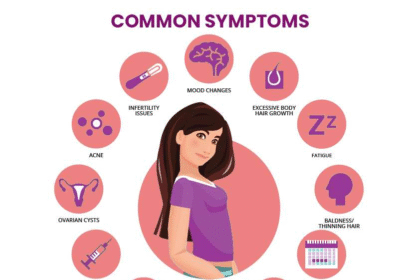
One of the most common effects of hormonal imbalance is disruption of the menstrual cycle. Irregular periods, missed cycles, or unusually heavy or light bleeding often indicate that ovulation is not occurring normally. Without regular ovulation, the menstrual cycle becomes unpredictable, which can affect fertility and reproductive planning.
Ovulation problems caused by hormonal imbalance can make it difficult for women to conceive. When hormones responsible for egg release are not functioning properly, the ovaries may fail to release eggs consistently. This can reduce the chances of pregnancy and may require medical evaluation if conception does not occur over time.
Hormonal imbalance also affects the health of the uterus. Estrogen and progesterone help prepare the uterine lining for pregnancy. When these hormones are not balanced, the lining may become too thick or too thin, leading to irregular bleeding or difficulty supporting a pregnancy. These changes can also contribute to conditions that affect reproductive comfort and stability.
Another important impact of hormonal imbalance is its effect on ovarian function. Conditions such as polycystic ovary syndrome are linked to hormone irregularities and can interfere with normal egg development. Hormonal disturbances can lead to the formation of ovarian cysts, which may cause discomfort and further disrupt reproductive health.
Hormones influence more than just physical reproductive functions. Emotional and mental well-being are also closely tied to hormonal health. Fluctuating hormone levels can contribute to mood swings, irritability, anxiety, or low mood. These emotional changes may affect daily life and relationships, especially when hormonal imbalance remains unmanaged.
Hormonal imbalance can also impact sexual health. Changes in estrogen and progesterone levels may lead to reduced libido, vaginal dryness, or discomfort during intimacy. These symptoms can affect quality of life and emotional connection, making hormonal balance important for both physical and relational health.
Long-term hormonal imbalance may increase the risk of certain reproductive health conditions. Prolonged estrogen dominance or progesterone deficiency can influence tissue growth within the reproductive system. Early identification and management help reduce the risk of complications and support healthier outcomes.
Lifestyle factors play a significant role in hormonal balance. Poor diet, lack of physical activity, chronic stress, and inadequate sleep can all contribute to hormonal disruption. Addressing these factors supports natural hormone regulation and promotes reproductive health.
Understanding how hormonal imbalance affects female reproductive health empowers women to recognize symptoms early and seek appropriate care. Hormonal health is not only essential for fertility but also for maintaining comfort, emotional balance, and overall well-being throughout the reproductive years.
FAQS
What is hormonal imbalance in women
Hormonal imbalance occurs when the body produces too much or too little of certain reproductive hormones.
How does hormonal imbalance affect periods
It can cause irregular, missed, heavy, or unusually light menstrual cycles.
Can hormonal imbalance affect fertility
Yes, it can interfere with ovulation and reduce the chances of conception.
Does hormonal imbalance affect emotional health
Fluctuating hormones can contribute to mood changes, anxiety, and emotional instability.
Can hormonal imbalance cause ovarian problems
Hormone disturbances can affect ovarian function and contribute to cyst formation.
Is hormonal imbalance linked to polycystic ovary syndrome
Yes, polycystic ovary syndrome is closely associated with hormonal irregularities.
Can lifestyle choices affect hormonal balance
Diet, stress, sleep, and physical activity significantly influence hormone regulation.
Does hormonal imbalance affect sexual health
It can lead to reduced libido, dryness, and discomfort during intimacy.
Are hormonal changes always abnormal
Some hormonal changes are normal during certain life stages, but persistent symptoms should be evaluated.
When should hormonal imbalance be checked
If symptoms are ongoing or affecting reproductive health, medical assessment is recommended.