Vitamins play a crucial role in maintaining overall health and supporting essential body functions. They help regulate metabolism, strengthen immunity, support nerve function, and keep skin, bones, and organs healthy. When the body lacks one or more essential vitamins, it can lead to a range of physical and mental symptoms. Understanding the early symptoms of vitamin deficiency in adults is important because early detection allows timely correction before serious complications develop.
Vitamin deficiencies often develop gradually. Many adults may ignore early signs, assuming they are caused by stress, aging, or busy lifestyles. However, persistent symptoms may indicate that the body is not receiving adequate nutrients. Poor diet, digestive issues, certain medical conditions, and lifestyle factors can all contribute to vitamin deficiencies.
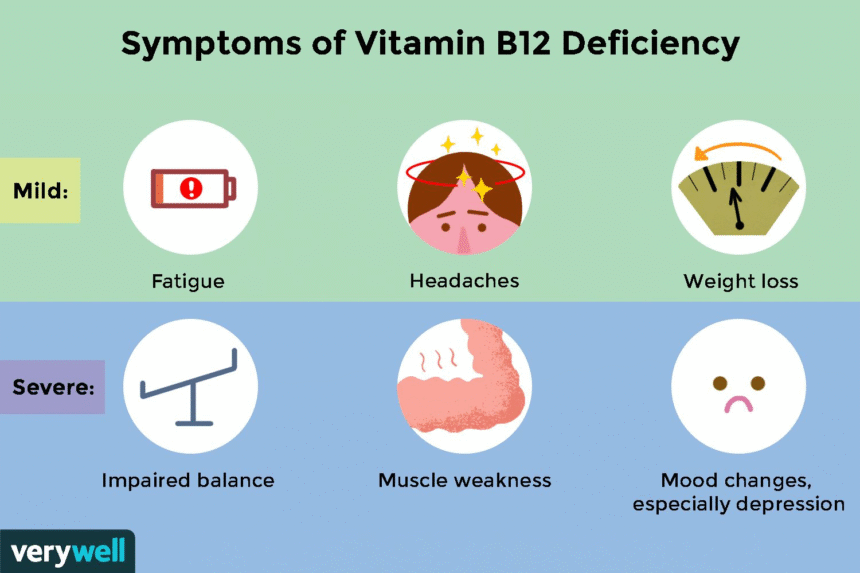
One of the most common early symptoms of vitamin deficiency in adults is persistent fatigue. Vitamins such as B-complex vitamins and vitamin D are essential for energy production. When levels are low, the body struggles to convert food into usable energy, leading to constant tiredness even after adequate rest. This type of fatigue often feels different from normal exhaustion and may interfere with daily activities.
Changes in skin, hair, and nails can also signal vitamin deficiencies. Dry or dull skin, brittle nails, and increased hair shedding are commonly associated with low levels of certain vitamins. These changes may appear slowly and worsen over time if the deficiency is not addressed. Because these symptoms are visible, they often provide early clues that nutritional balance is lacking.
Frequent infections or slow recovery from illness may indicate weakened immunity due to vitamin deficiency. Vitamins play an important role in immune defense, and low levels can reduce the body’s ability to fight infections. Adults who notice they get sick often or take longer to recover may be experiencing underlying nutritional gaps.
Another early symptom is muscle weakness or cramps. Vitamins involved in nerve and muscle function help maintain coordination and strength. When these nutrients are insufficient, muscles may feel weak, sore, or prone to cramping. These symptoms may appear during routine activities or physical exertion.
Mood changes and mental fog are also linked to vitamin deficiencies. Low levels of certain vitamins can affect brain function and neurotransmitter production. Adults may experience irritability, low mood, difficulty concentrating, or memory problems. These mental changes are often overlooked but can significantly affect quality of life.
Digestive discomfort can sometimes be an early indicator of vitamin deficiency. Symptoms such as loss of appetite, nausea, or digestive irregularities may occur when the body lacks nutrients needed for proper digestion and absorption. Over time, poor digestion can further worsen nutrient deficiencies.
Changes in vision, such as night vision difficulty or eye dryness, may also signal a deficiency. Vision-related symptoms often develop gradually and may not be immediately noticeable. Paying attention to subtle visual changes can help identify potential issues early.
Mouth-related symptoms can provide additional clues. Cracks at the corners of the mouth, swollen gums, or frequent mouth sores may be linked to inadequate vitamin intake. These symptoms can cause discomfort and may recur if the deficiency remains untreated.
Understanding the early symptoms of vitamin deficiency in adults encourages proactive health management. While these signs can have multiple causes, persistent or worsening symptoms should not be ignored. Addressing vitamin deficiencies early through dietary improvements or medical guidance supports long-term health and prevents more serious complications.
FAQS
What are vitamin deficiencies
Vitamin deficiencies occur when the body does not get enough essential vitamins to function properly.
Can adults develop vitamin deficiencies easily
Yes, poor diet, absorption issues, and lifestyle factors can lead to deficiencies over time.
Is fatigue a common sign of vitamin deficiency
Persistent and unexplained fatigue is one of the most common early symptoms.
Do vitamin deficiencies affect skin and hair
Yes, dry skin, brittle nails, and hair thinning can indicate nutritional deficiencies.
Can low vitamin levels weaken immunity
Vitamin deficiencies can reduce immune response and increase infection frequency.
Do vitamin deficiencies affect mental health
Low vitamin levels may contribute to mood changes, brain fog, and concentration issues.
Can muscle weakness indicate vitamin deficiency
Yes, muscle weakness or cramps can be early signs of certain deficiencies.
Are digestive symptoms linked to vitamin deficiency
Digestive discomfort may occur when the body lacks nutrients needed for proper digestion.
Should adults test vitamin levels regularly
Testing may be helpful if symptoms persist or risk factors are present.
When should vitamin deficiency symptoms be checked by a doctor
If symptoms are ongoing or worsening, medical evaluation is recommended.