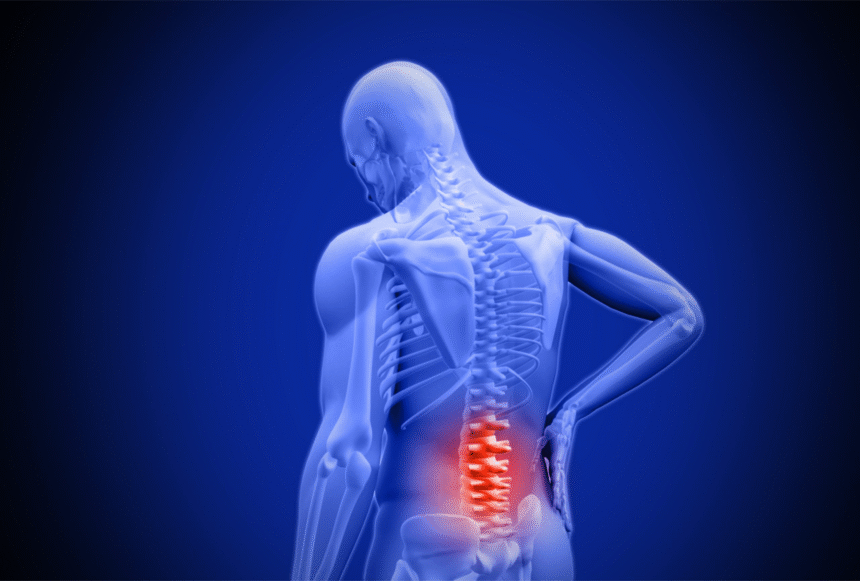
Lower back pain is one of the most common physical complaints among adults and can affect people of all ages. It can range from mild discomfort to persistent pain that interferes with daily activities. Understanding what causes lower back pain and how to relieve it is essential for long-term comfort and mobility.
Lower back pain often develops due to strain on muscles and ligaments. Sudden movements, lifting heavy objects incorrectly, or overusing the lower back muscles can lead to tension and inflammation. Repeated strain weakens muscles over time, making pain more likely to occur.
Poor posture is another major contributor to lower back pain. Sitting or standing with improper alignment places extra pressure on the spine and surrounding muscles. Long hours of sitting without adequate support gradually increase stress on the lower back, leading to stiffness and discomfort.
Muscle imbalance can also cause lower back pain. Weak core muscles reduce spinal support, forcing the lower back to compensate. When surrounding muscles fail to distribute workload evenly, strain increases in the lower back region.
Sedentary lifestyle habits play a significant role in lower back pain. Limited movement reduces flexibility and circulation, causing muscles to become tight and less resilient. Over time, inactivity increases vulnerability to pain even during simple movements.
Stress and emotional tension can intensify lower back pain. Mental stress often causes muscle tightening, especially in the lower back area. This tension reduces blood flow and increases pain sensitivity, creating a connection between emotional and physical discomfort.
Sleep position and mattress quality also affect lower back health. Poor sleep posture places the spine in unnatural positions for extended periods. Inadequate support during sleep can worsen existing pain or contribute to new discomfort.
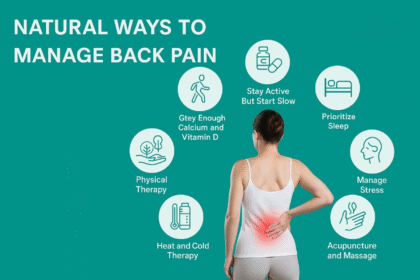
Relieving lower back pain begins with gentle movement. Controlled activity helps loosen stiff muscles and improve circulation. Remaining active supports recovery more effectively than prolonged rest, which can weaken muscles further.
Improving posture throughout the day reduces pressure on the lower back. Awareness of sitting and standing alignment helps distribute body weight evenly and prevents unnecessary strain. Small adjustments in daily habits can lead to noticeable improvements over time.
Strengthening the core muscles provides better spinal support and reduces stress on the lower back. Balanced muscle engagement improves stability and reduces the likelihood of recurring pain. Gradual strengthening builds long-term resilience.
Managing stress supports lower back pain relief. Relaxation techniques reduce muscle tension and calm the nervous system. Addressing emotional strain helps prevent physical tightness that contributes to pain.
Sleep improvements also play an important role in pain relief. Supporting the spine during rest allows muscles to recover and reduces morning stiffness. Consistent sleep habits support overall recovery and comfort.
Understanding what causes lower back pain and how to relieve it allows individuals to take proactive steps toward prevention and recovery. Addressing lifestyle habits, posture, and muscle balance supports long-term spinal health and daily comfort.
FAQS
What is the most common cause of lower back pain
Muscle strain from overuse or poor movement is a leading cause.
Can poor posture cause lower back pain
Yes, improper posture increases pressure on the lower back.
Does sitting too much affect lower back pain
Prolonged sitting reduces flexibility and increases discomfort.
Can stress worsen lower back pain
Stress increases muscle tension and pain sensitivity.
Is movement safe for lower back pain
Gentle movement supports recovery and reduces stiffness.
How does core strength help lower back pain
Strong core muscles provide spinal support and stability.
Can sleep position affect lower back pain
Poor sleep posture can increase spinal strain.
Should rest be avoided during back pain
Extended rest can weaken muscles and delay recovery.
Does emotional health affect back pain
Emotional tension often contributes to muscle tightness.
Can lower back pain be prevented
Healthy posture, movement, and stress management reduce risk.