Irregular periods are a common concern among women of reproductive age and can affect both physical health and emotional well-being. A regular menstrual cycle is often seen as a sign of hormonal balance and reproductive health, while changes in cycle length, flow, or timing may indicate underlying issues. Understanding the common causes of irregular periods helps women recognize when changes are normal and when medical attention may be necessary.
A menstrual cycle is considered regular when periods occur at predictable intervals, usually every few weeks. However, cycle length and flow can vary from person to person. Occasional changes are normal, but frequent irregularity may signal hormonal or health-related problems that should not be ignored.
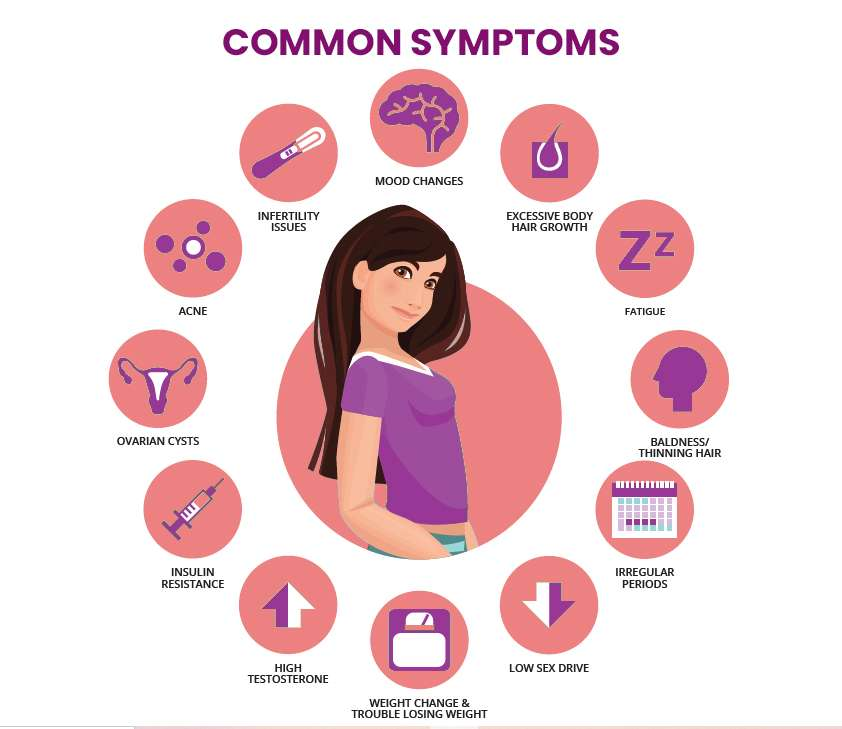
One of the most common causes of irregular periods in women of reproductive age is hormonal imbalance. Hormones such as estrogen and progesterone regulate the menstrual cycle. When these hormones are not balanced, ovulation may be delayed or skipped, leading to missed or irregular periods. Hormonal imbalances can be influenced by stress, sudden weight changes, or underlying medical conditions.
Stress plays a significant role in menstrual irregularity. Physical or emotional stress affects the part of the brain that controls hormone production. High stress levels can disrupt ovulation, resulting in delayed or skipped periods. Women experiencing long-term stress may notice ongoing cycle changes until stress levels are managed.
Polycystic ovary syndrome is another common cause of irregular periods. This condition affects hormone levels and ovulation, often leading to infrequent or unpredictable menstrual cycles. Women with this condition may also experience symptoms such as weight gain, acne, or excessive hair growth. Early identification is important to manage long-term reproductive and metabolic health.
Thyroid disorders can also affect menstrual regularity. Both underactive and overactive thyroid conditions interfere with hormone regulation in the body. When thyroid function is not balanced, menstrual cycles may become irregular, lighter, heavier, or stop altogether. Proper diagnosis and treatment can help restore cycle regularity.
Sudden changes in body weight often influence menstrual patterns. Significant weight loss or gain can disrupt hormone production and ovulation. Extremely low body fat levels may cause periods to stop, while excess weight can increase estrogen levels, leading to irregular cycles. Maintaining a stable and healthy weight supports hormonal balance.
Excessive physical activity can also cause irregular periods, particularly in women who engage in intense exercise routines. High levels of physical strain combined with low calorie intake may suppress ovulation. This is commonly seen in athletes or women who follow extreme fitness regimens without adequate nutrition.
Certain medications can contribute to irregular menstrual cycles. Hormonal contraceptives, antidepressants, and medications affecting hormone levels may alter cycle timing and flow. Changes may occur when starting or stopping these medications as the body adjusts.
Age-related changes within the reproductive years can also influence menstrual regularity. In the early years after puberty and in the years leading up to menopause, cycles may naturally become irregular due to hormonal fluctuations. While this can be normal, persistent irregularity should still be evaluated.
Understanding the common causes of irregular periods in women of reproductive age encourages awareness and proactive health care. While some irregularity can be harmless, ongoing changes may signal conditions that affect fertility and overall health. Paying attention to menstrual patterns and seeking professional advice when needed helps support long-term reproductive well-being.
FAQS
What is considered an irregular period
Periods are considered irregular when cycle length, timing, or flow changes frequently or unpredictably.
Can stress really affect menstrual cycles
Yes, stress can disrupt hormone signals that control ovulation and menstrual timing.
Is irregular menstruation always a serious problem
Not always, but persistent irregularity may indicate hormonal or medical conditions.
How does hormonal imbalance cause irregular periods
Imbalanced hormones can interfere with ovulation, leading to delayed or missed periods.
Can weight changes affect menstrual regularity
Sudden weight gain or loss can disrupt hormone production and affect the cycle.
Do thyroid problems influence menstruation
Yes, thyroid disorders can alter hormone balance and cause irregular or missed periods.
Is excessive exercise linked to missed periods
Intense physical activity combined with low calorie intake can suppress ovulation.
Can medications change menstrual cycles
Certain medications may affect hormones and temporarily alter cycle patterns.
Are irregular periods common at certain ages
Yes, they are more common after puberty and before menopause due to hormonal changes.
When should irregular periods be checked by a doctor
If irregularity is frequent, prolonged, or accompanied by other symptoms, evaluation is recommended.