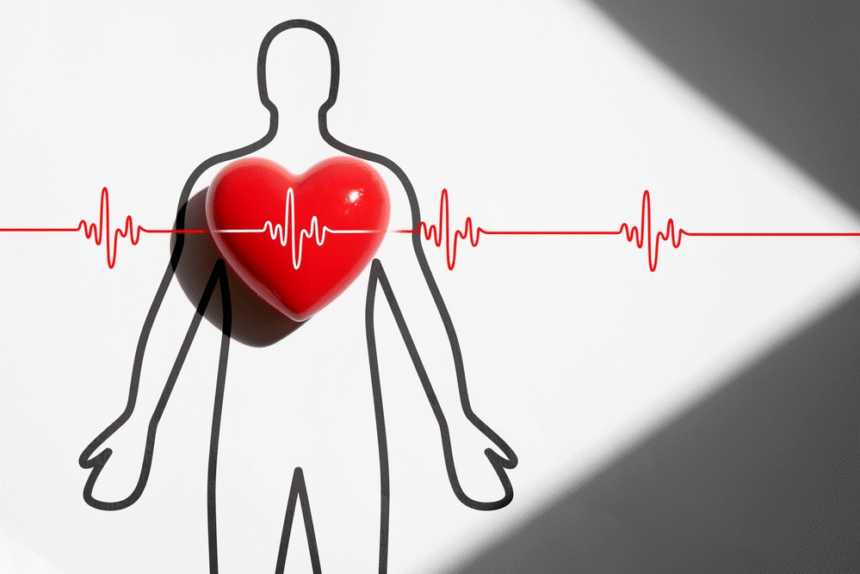
High blood pressure, also known as hypertension, is one of the most common yet dangerous health conditions affecting adults today. What makes it especially concerning is that it often develops silently, without obvious symptoms, while steadily damaging the heart and blood vessels. Over time, uncontrolled high blood pressure places continuous strain on the heart, forcing it to work harder than normal. This ongoing stress can lead to serious and sometimes irreversible heart problems if not managed early.
Blood pressure refers to the force of blood pushing against the walls of the arteries as the heart pumps. When this pressure remains consistently high, the heart must exert extra effort to circulate blood throughout the body. Although the heart is a strong muscle, it is not designed to function under constant overload. Gradually, this strain begins to alter the structure and function of the heart.
One of the earliest ways high blood pressure affects the heart over time is through thickening of the heart muscle. To cope with increased pressure, the heart muscle, particularly the left ventricle, becomes thicker. While this may initially help the heart pump more forcefully, it eventually reduces flexibility. A stiffened heart muscle cannot fill with blood properly, limiting the amount of blood pumped with each beat and increasing the risk of heart failure.
As high blood pressure persists, it also damages the coronary arteries that supply oxygen-rich blood to the heart muscle. Constant pressure can injure the inner lining of these arteries, making them more susceptible to plaque buildup. Over time, narrowed arteries restrict blood flow, increasing the risk of chest discomfort, reduced oxygen delivery, and eventually heart attacks. This process often develops gradually, which is why many adults remain unaware of the damage taking place.
Another significant effect of long-term high blood pressure is its impact on the heart’s electrical system. Elevated pressure can disrupt normal electrical signals, leading to irregular heart rhythms. These rhythm disturbances may cause palpitations, dizziness, or fatigue. In more severe cases, irregular heartbeats can raise the risk of stroke or sudden cardiac events.
High blood pressure also contributes to the gradual weakening of the heart. As the heart works harder year after year, it can lose its ability to pump efficiently. This weakened pumping action leads to reduced blood flow to vital organs and fluid buildup in the lungs or lower extremities. Adults may begin to notice shortness of breath, swelling in the legs, or persistent tiredness as signs of declining heart function.
Over time, uncontrolled hypertension increases the likelihood of heart failure. Heart failure does not mean the heart stops working, but rather that it cannot pump enough blood to meet the body’s needs. This condition significantly affects quality of life and often requires long-term medical management. Many cases of heart failure are closely linked to years of untreated or poorly controlled high blood pressure.
The long-term effects of high blood pressure on the heart are often preventable with early intervention. Lifestyle changes such as maintaining a balanced diet, staying physically active, managing stress, and following medical advice play a critical role in protecting heart health. Regular blood pressure monitoring helps detect problems early, allowing adults to take action before serious damage occurs.
Understanding how high blood pressure affects the heart over time empowers individuals to take their condition seriously. Rather than viewing hypertension as a minor issue, recognizing it as a major risk factor for heart disease can motivate consistent management. With proper care and awareness, many of the long-term heart-related complications of high blood pressure can be reduced or avoided.
FAQS
How does high blood pressure affect the heart initially
It forces the heart to work harder, leading to thickening of the heart muscle and reduced flexibility over time.
Can high blood pressure damage the heart without symptoms
Yes, hypertension often causes silent damage for years before noticeable symptoms appear.
Why does the heart muscle thicken due to high blood pressure
The heart adapts to increased pressure by thickening, but this eventually limits proper blood filling and pumping.
Does high blood pressure increase the risk of heart attacks
Yes, it damages arteries and promotes plaque buildup, which can reduce blood flow and trigger heart attacks.
Can high blood pressure cause irregular heartbeats
Long-term pressure can disrupt electrical signals, leading to rhythm problems and palpitations.
Is heart failure linked to high blood pressure
Many cases of heart failure develop after years of uncontrolled high blood pressure.
Can controlling blood pressure protect the heart
Yes, managing blood pressure significantly reduces the risk of heart-related complications.
Does high blood pressure weaken the heart over time
Continuous strain can weaken the heart’s pumping ability and reduce efficiency.
Are lifestyle changes effective for protecting the heart
Healthy habits combined with medical guidance play a major role in reducing heart damage.
When should someone with high blood pressure see a doctor
Regular medical follow-ups are essential, especially if blood pressure remains elevated or symptoms appear.