Tooth sensitivity is a common dental issue that affects adults of all ages. It usually appears as a sharp, sudden pain when teeth are exposed to hot, cold, sweet, or acidic foods and drinks. For many people, this discomfort can turn simple daily habits like eating, drinking, or brushing into an unpleasant experience. Understanding what causes tooth sensitivity and how to treat it naturally is important for maintaining long-term oral comfort and dental health.
Tooth sensitivity occurs when the protective outer layer of the tooth, known as enamel, becomes weakened or damaged. Beneath the enamel lies dentin, which contains tiny tubules that connect to the nerves inside the tooth. When enamel wears away or gums recede, these tubules become exposed, allowing temperature and substances to reach the nerves and trigger pain.
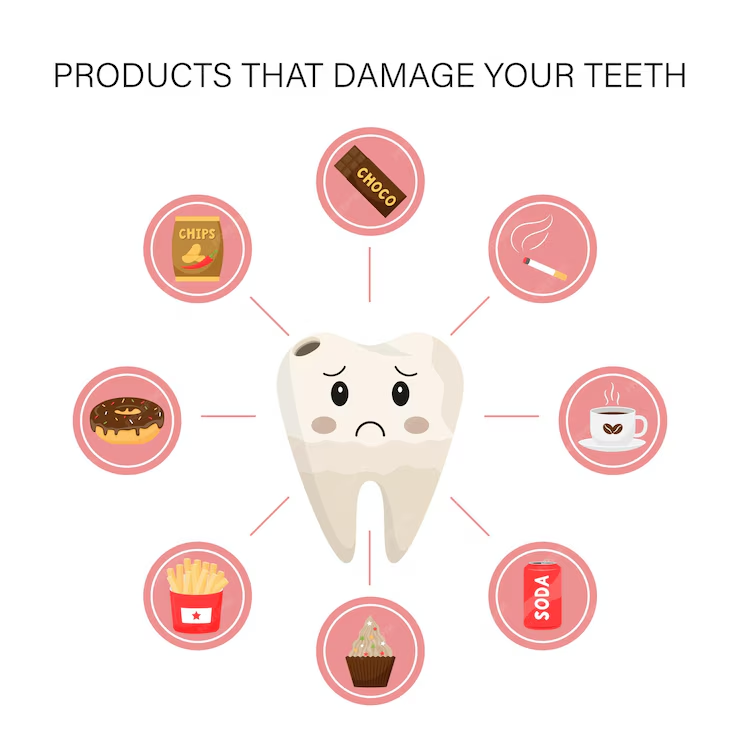
One of the most common causes of tooth sensitivity is enamel erosion. This can happen due to frequent consumption of acidic foods and beverages, such as citrus fruits or soft drinks. Over time, acid gradually dissolves enamel, making teeth more vulnerable. Aggressive brushing with a hard-bristled toothbrush can also wear down enamel, especially along the gum line, increasing sensitivity.
Gum recession is another major factor contributing to sensitive teeth. When gums pull away from the teeth, the roots become exposed. Unlike enamel-covered surfaces, tooth roots are not protected by a strong outer layer, making them more sensitive to external stimuli. Gum recession may result from improper brushing techniques, gum disease, or natural aging.
Dental procedures can sometimes cause temporary tooth sensitivity. Treatments such as teeth whitening, fillings, or professional cleanings may irritate the tooth structure or gums. In most cases, this type of sensitivity fades within a few days, but it can be uncomfortable while it lasts.
Natural treatment methods can be effective for managing tooth sensitivity, especially when the condition is mild to moderate. One of the simplest approaches is adopting proper oral hygiene habits. Using a soft-bristled toothbrush and gentle brushing motions helps protect enamel and prevent further gum damage. Brushing twice daily with care can significantly reduce irritation.
Choosing the right toothpaste also plays an important role in natural sensitivity relief. Toothpaste designed for sensitive teeth helps block nerve signals and strengthen enamel over time. Consistent use is key, as relief often improves gradually rather than instantly.
Dietary adjustments can further support natural treatment. Reducing acidic food and drink intake helps minimize enamel erosion. Rinsing the mouth with water after consuming acidic items can neutralize acids and protect tooth surfaces. Avoiding excessive sugar also helps prevent cavities that may worsen sensitivity.
Natural remedies such as saltwater rinses can soothe irritated gums and reduce inflammation. Saltwater helps maintain a healthy oral environment and may ease mild discomfort. Maintaining proper hydration supports saliva production, which naturally protects teeth by washing away acids and bacteria.
Addressing habits that contribute to sensitivity is equally important. Teeth grinding, also known as bruxism, can wear down enamel and expose dentin. Managing stress and using protective dental devices when necessary can reduce grinding-related damage. Quitting smoking improves gum health and lowers the risk of gum recession.
While natural treatments can be helpful, persistent tooth sensitivity should not be ignored. Ongoing discomfort may indicate underlying issues such as cavities, cracked teeth, or gum disease. Early evaluation helps prevent more serious dental problems and ensures appropriate care.
Understanding what causes tooth sensitivity and how to treat it naturally empowers individuals to take control of their oral health. With proper habits, mindful eating, and consistent care, many people can reduce sensitivity and enjoy everyday activities without discomfort.
FAQS
What is the main cause of tooth sensitivity
The most common cause is enamel erosion or gum recession that exposes the sensitive inner layers of the tooth.
Can tooth sensitivity go away naturally
Yes, mild sensitivity can improve with proper oral care and natural treatment methods over time.
Does brushing too hard cause sensitive teeth
Aggressive brushing can wear down enamel and irritate gums, leading to increased sensitivity.
Are acidic foods harmful for sensitive teeth
Frequent consumption of acidic foods can weaken enamel and worsen tooth sensitivity.
Can gum recession be reversed naturally
Gum recession cannot fully reverse, but proper care can prevent further damage and reduce discomfort.
Is tooth sensitivity a sign of a serious problem
Sometimes it can indicate cavities, cracks, or gum disease, especially if pain is persistent.
How long does sensitivity after dental treatment last
Post-treatment sensitivity usually fades within a few days, depending on the procedure.
Can stress affect tooth sensitivity
Stress can contribute to teeth grinding, which may damage enamel and increase sensitivity.
Does drinking water help reduce sensitivity
Water helps wash away acids and supports saliva production, which protects teeth naturally.
When should someone see a dentist for sensitive teeth
If sensitivity persists or worsens despite home care, professional evaluation is recommended.