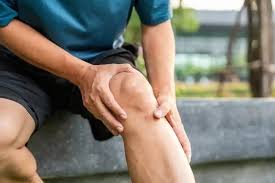
Knee pain often impacts mobility and limits routine physical activities. The knee joint supports body weight during regular movement, and it absorbs mechanical forces during athletic activities. Because the structure involves interconnected working parts, injuries can manifest in a variety of ways. Routine wear degrades the joint over decades, and trauma can cause problems with internal structures.
Connective Tissue Problems
Ligaments provide stability to the knee joint, and these strong tissue bands prevent lateral leg movements during movement. When athletes twist their knee abruptly, they frequently tear ligaments along the joint. Tendon structures connect leg muscles to the surrounding joint bones. Although minor sprains heal with rest, connective tissue ruptures require medical intervention.
Tendinitis can develop over time as active individuals jump or exercise on inflexible surfaces. Progressive overuse injuries like these create localized inflammation within the tendon band below the kneecap, and knee pain often accompanies these conditions. Medical professionals diagnose this condition through physical examinations, or they order magnetic resonance imaging scans for detailed internal joint views. Proper diagnosis identifies the location of tiny muscle tears in the surrounding tissue.
Arthritis and Bone Conditions
Degenerative osteoarthritis degrades the protective cartilage at the ends of the leg bones. As cartilage wears away, bones can rub against one another during basic movement motions. This friction causes joint stiffness, and patients often experience fluid buildup around the kneecap area. While age plays a role in cartilage degradation, previous traumas accelerate the degenerative process.
Rheumatoid arthritis attacks the membrane lining around the joint, so the joint space accumulates excess inflammatory fluid. High-impact collisions can break the kneecap or cause problems in the nearby femur bone. If a patient falls onto a bent knee, a fracture often occurs. Severe fractures limit leg mobility, and patients often feel waves of knee pain.
While fractures often require surgical medical intervention, joint dislocations present a different mechanical stabilization challenge. Physicians can replace the dislocated kneecap, but the initial injury often stretches out the ligaments that support the knee structure. Fractures and dislocations require medical attention. Other less severe conditions may also require medical treatment, so individuals should evaluate their pain to determine when to consult a specialist.
Specialist Appointments
Persistent joint swelling usually requires a thorough medical evaluation. Injured individuals who notice an inability to bear weight on the affected leg, so a symptom like this should prompt a trip to a joint specialist. Since mechanical instability can lead to future falls, an expert medical consultation prevents additional bodily harm. If a patient has any of the following symptoms, they may want to consult a specialist for proper treatment:
- Persistent swelling or inflammation in the knee that does not improve with rest or ice
- Severe pain in the knee, both during movement or at rest
- A noticeable deformity or unusual appearance of the knee
- Popping or grinding sensations accompanied by discomfort
- Instability in the knee, causing difficulties in walking or standing
- Reduced range of motion or stiffness
- Numbness or tingling around the knee
- Bruising or discoloration that worsens over time
Start Knee Pain Treatment
The cause of knee pain can be addressed by several different methods performed by physicians. Because untreated conditions can worsen over time, consulting with a doctor early can provide stability to the joint. Consult an orthopedic surgeon, and discuss your knee pain symptoms with them today.